A great logo isn't just a picture; it's a story. For Formula 1, the brand has continually evolved to match shifts in media, technology, and commercial strategy.
The Early Days: Just Trying to Be Seen (1950s–1980s)
From the 1950s through the mid‑1980s, there wasn't a single central Formula 1 logo. Promoters, the FIA, and race organisers used a patchwork of wordmarks, race posters, and improvised graphics. Each event owned its own visual expression. Practical? Yes. Cohesive? Not at all. The focus was on identifying a Grand Prix, not on building a long‑term global entertainment brand. Consistency took a back seat to local flavour, and any equity built was fragmented across dozens of visual styles.
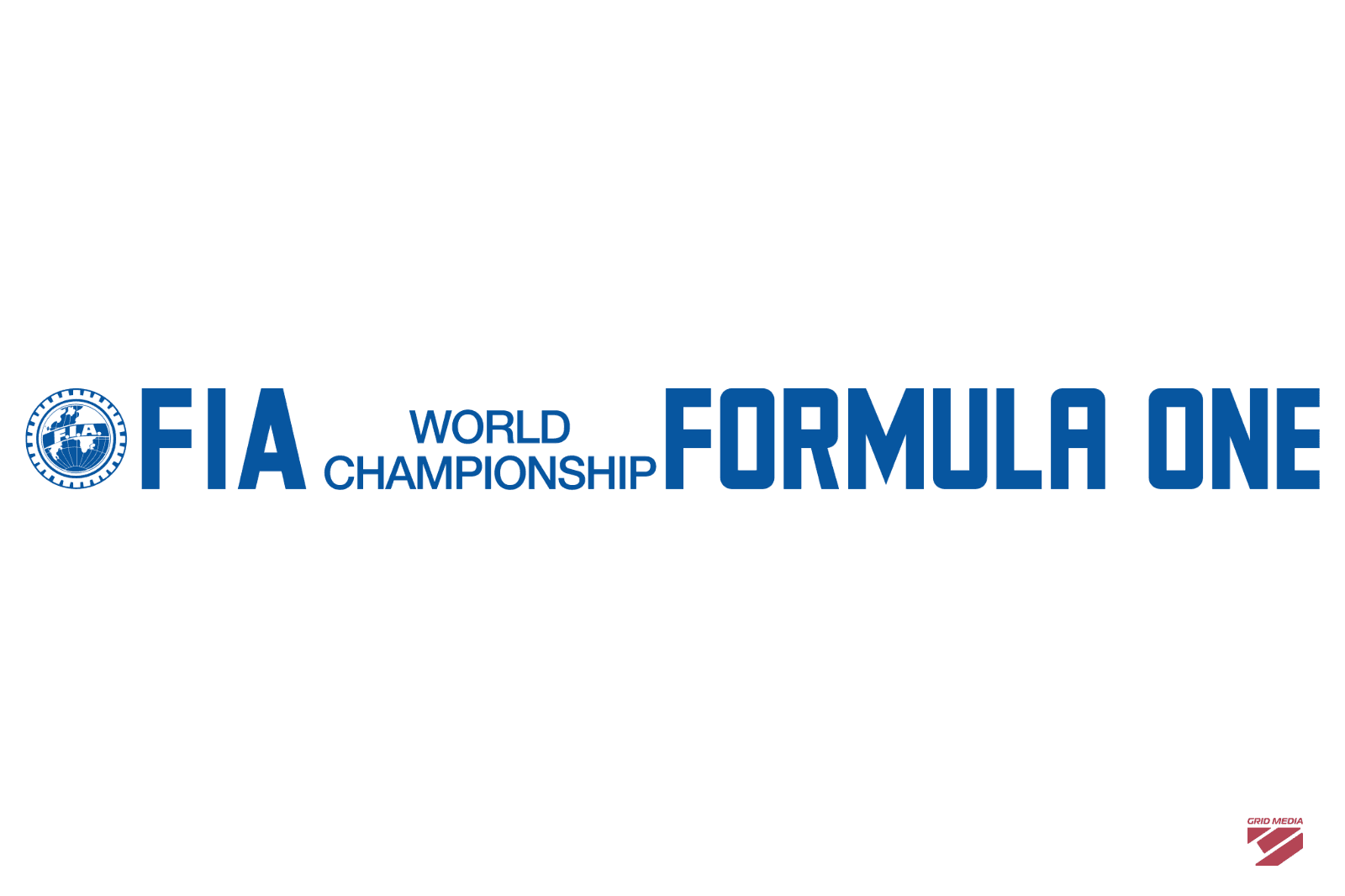
A Big Change on the Horizon (1987-1993)
The 1980s brought a major shift. For the first time, F1 introduced an official logo with a dynamic chequered flag motif symbolising speed and racing heritage. This design was closely tied to the FIA's authority and Bernie Ecclestone's growing commercial control over the sport. Ecclestone was transforming F1 from a collection of races into a global entertainment powerhouse, and the branding needed to reflect that. The checkered flag logo became a visual shorthand for F1's new commercial ambitions, appearing on official materials and broadcasts. Fans began to recognise it as a symbol of the sport's rising profile. The staggered black bars weren't a literal chequered flag pattern but a stylised nod to one, an abstract way of signalling racing heritage and the finish line without cluttering the bold F1 wordmark.
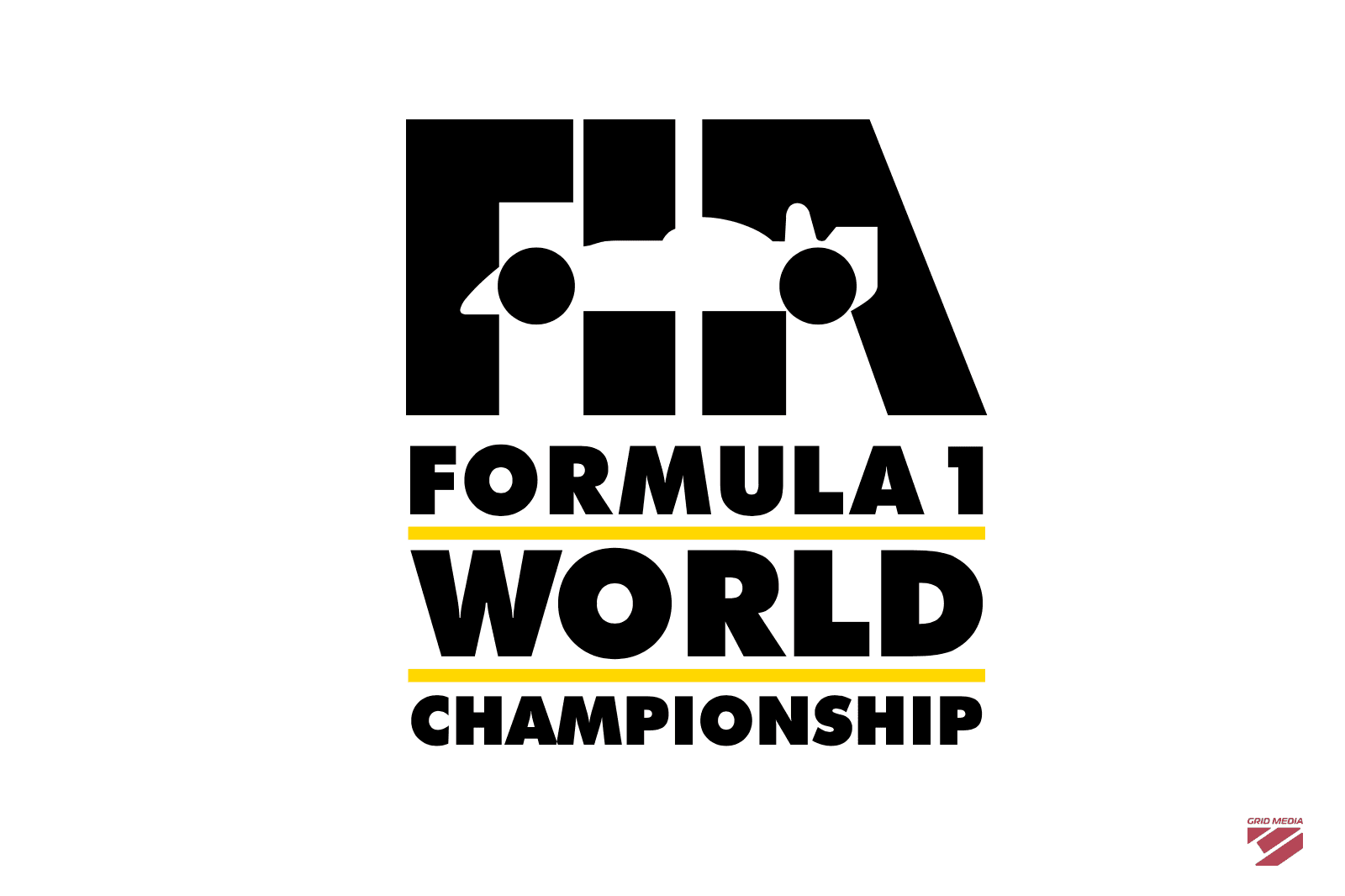
The Flying One: A Logo That Told a Story (1994-2017)
The 1994 rebrand was a stroke of genius. London-based agency Carter Wong crafted what became known as the "Flying 1" logo, a sleek, dynamic mark that cleverly used negative space to hide the number "1" between the bold red streaks and the black "F." This design perfectly captured speed and motion, making it instantly recognisable and iconic. It was more than a logo; it was a symbol of F1's identity in the broadcast era, used for 23 years. Fans loved it for its style and storytelling power, and it became deeply associated with the sport's golden years. The removal of the FIA emblem also marked F1's independence as a commercial brand. This shift reflected the sport's new business model under Ecclestone, who consolidated television and sponsorship rights to streamline commercial operations and allow circuits and promoters to focus on their events.
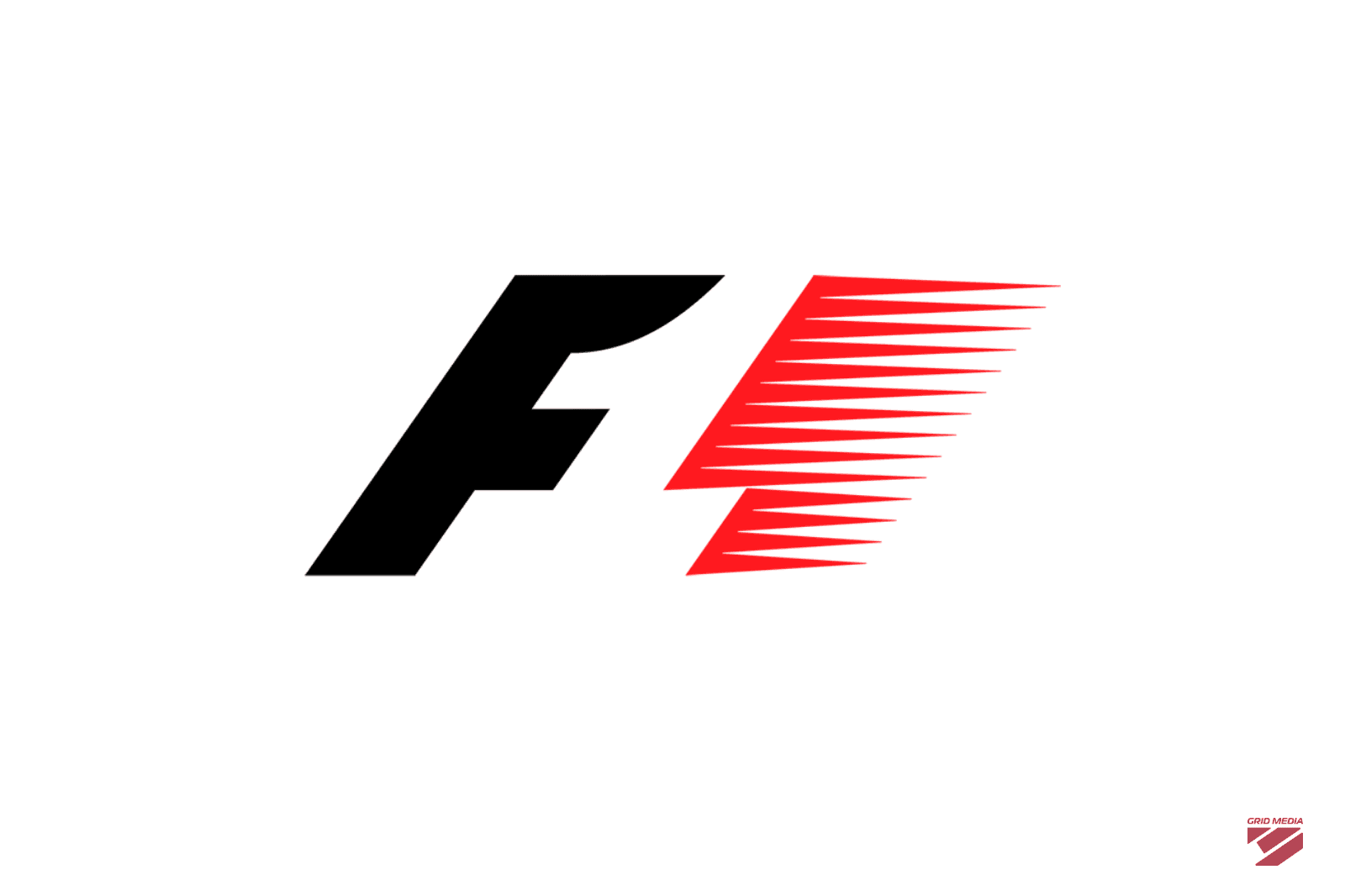
The Digital Test: Why the Perfect Logo Had to Go
With a logo that worked so well, why change it? The world changed around it. We all got smartphones and social media. A brand couldn't be just a static image on a big TV screen anymore. It had to work as a tiny app icon, a profile picture on Twitter, a sticker on Instagram, and more. The old logo's genius was its flaw in this new world. Its clever negative space disappeared at small sizes, and its fixed shape wasn't flexible enough for all the digital content creators were making. Brands weren't just logos anymore; they were living, breathing systems. F1's identity needed to catch up.
The Next Generation: A Brand for the Modern Age (2018-Present)
When Liberty Media took over in 2017, they knew F1 needed a fresh look for the digital age. They commissioned Wieden+Kennedy London to create a new identity that was bold, flexible, and built for screens of all sizes. The result was a minimalist, geometric logo inspired by two cars racing side by side to the finish line. This digital-first approach allowed easy animation, colour changes for sponsors, and scaling without losing impact.
The redesign wasn't without controversy. Many fans felt nostalgic for the "Flying 1" and criticised the new logo as too simplistic or generic. Some raised legal concerns over its similarity to other marks. Despite the backlash, the new identity positioned F1 as a modern, forward-thinking brand ready for the next generation of fans and digital content.
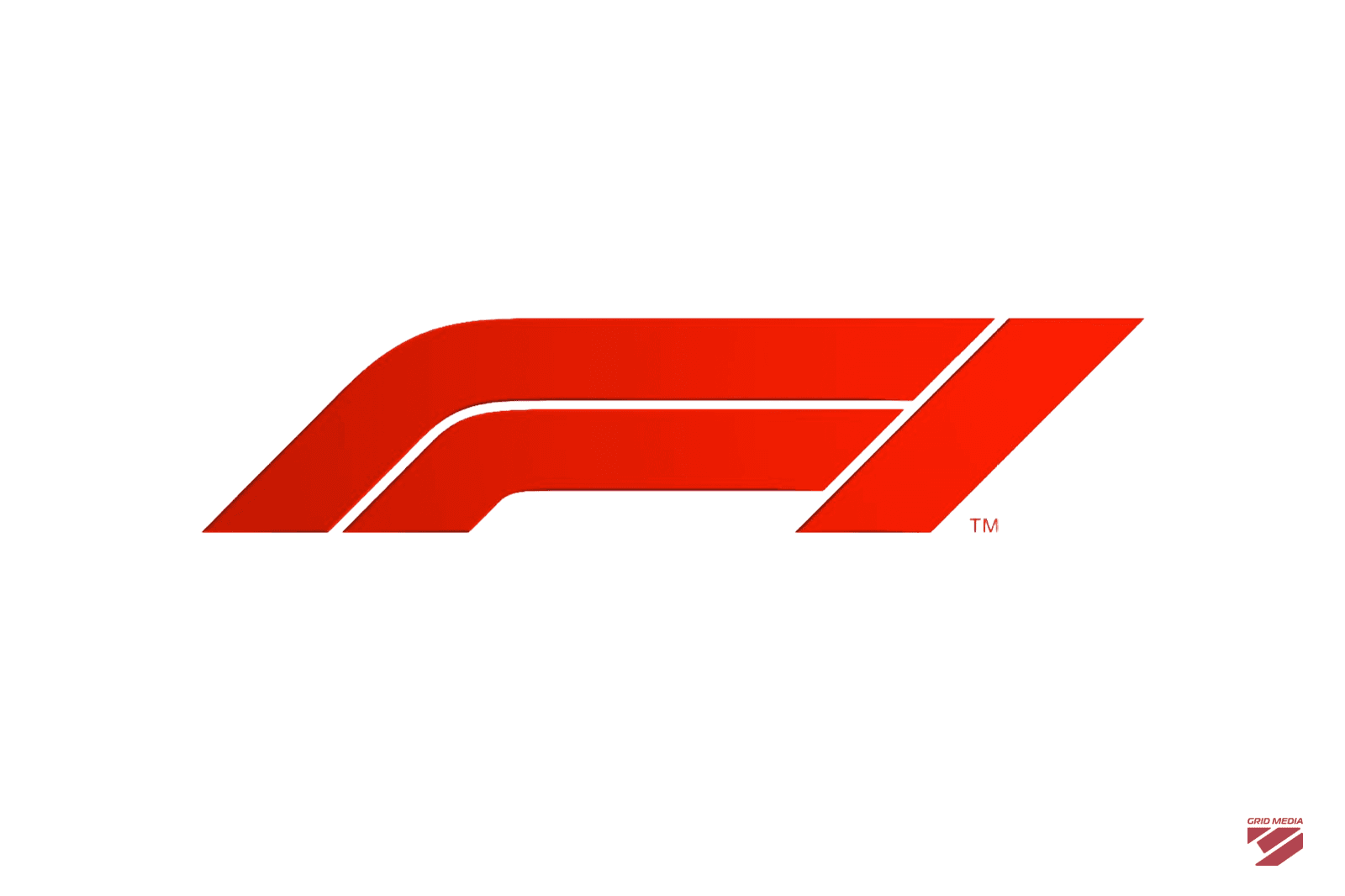
Some people were sad to see the old "Flying One" go. There was a real sense of nostalgia. But the new design was a necessary move. It gave F1 the flexible, future-proof system it needed to reach a new generation of fans online.
Special Mentions: Celebrating the Milestones
Beyond its core identity, F1 has a great tradition of creating special logos to mark its major anniversaries. These designs celebrate the sport's rich heritage while staying true to the branding of their respective eras.
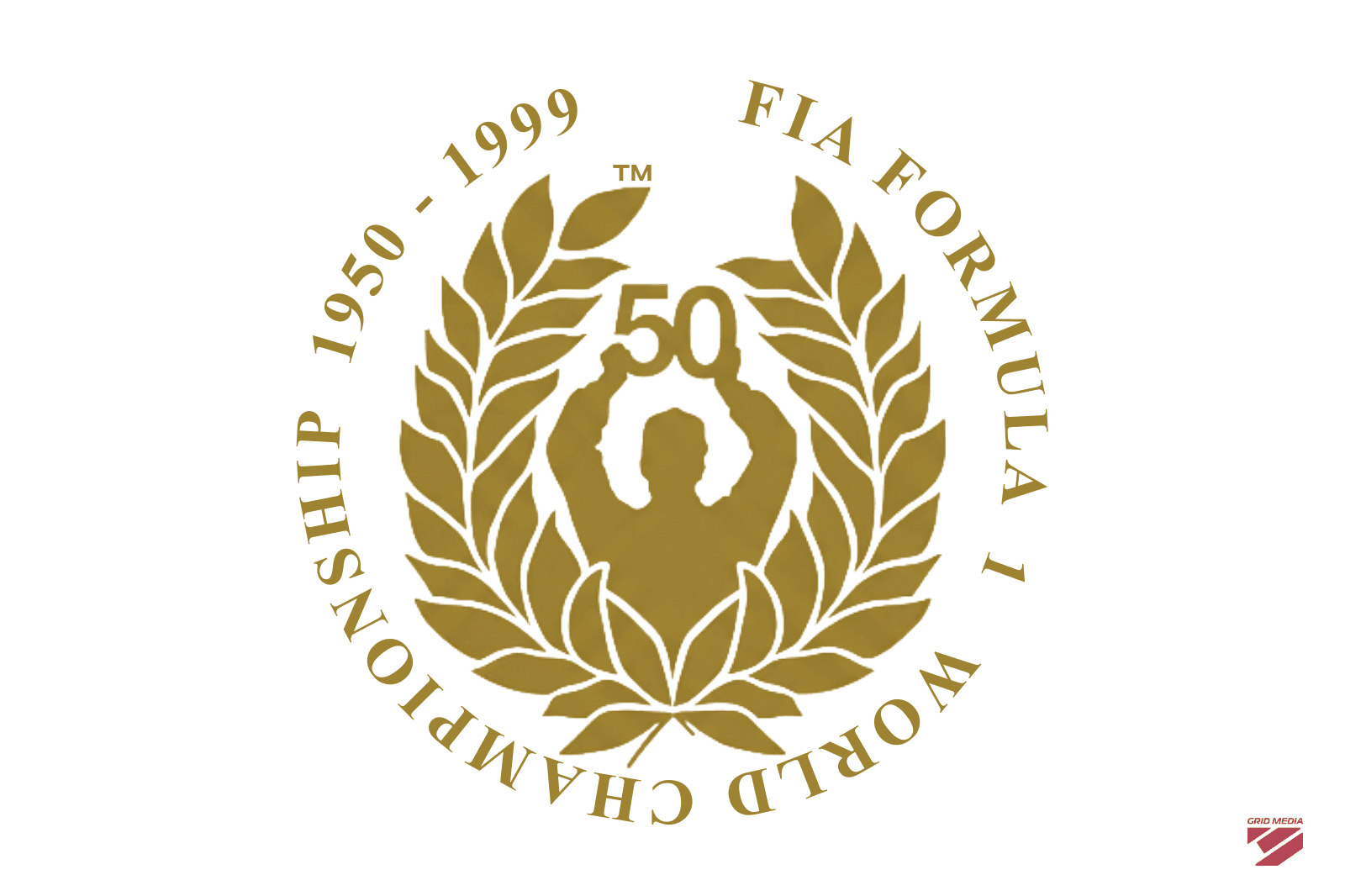
50th Anniversary (2000)
To mark half a century, F1 created a logo that incorporated the number "50" alongside the iconic "flying one" design, often framed by laurel wreaths to signify victory and history.
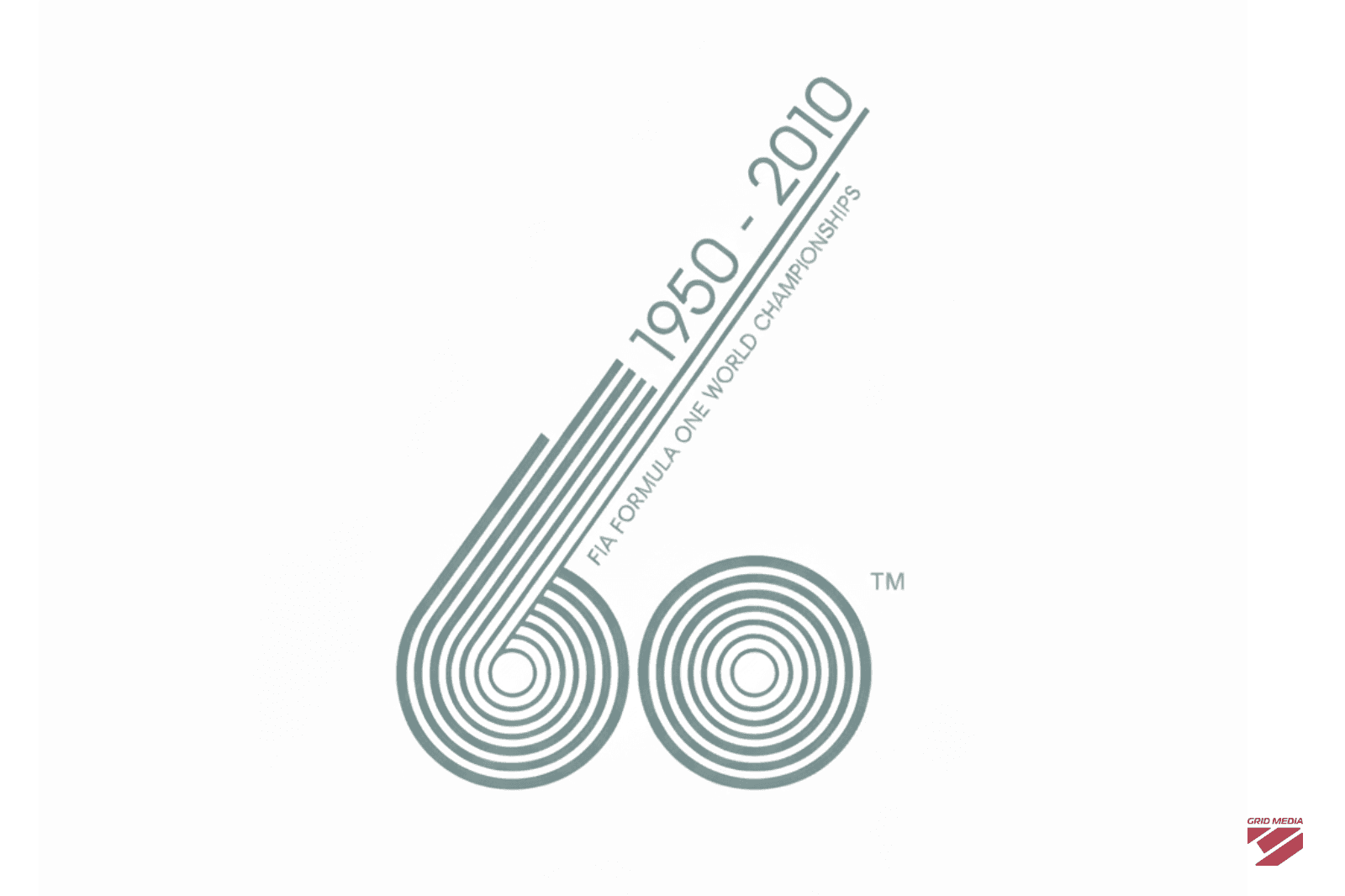
60th Anniversary (2010)
For its diamond anniversary, the logo featured a dynamic "60" that mimics the sweep of a racetrack, seamlessly integrated with the primary F1 logo of the time.
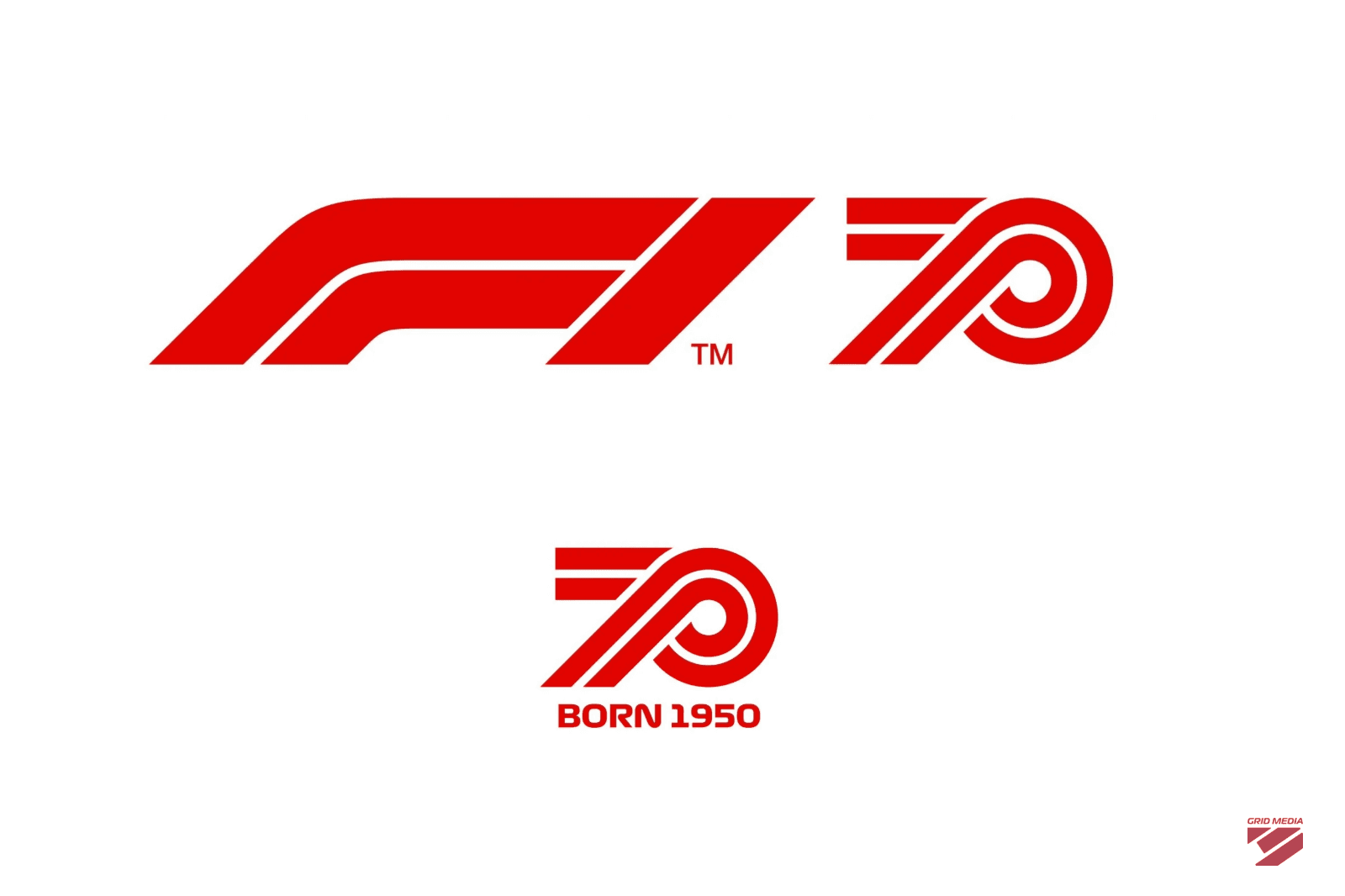
70th Anniversary (2020)
To celebrate 70 years, a special "F1 SEVENTY" mark was developed, using the modern typography and styling of the current brand identity to create a cohesive, celebratory logo.
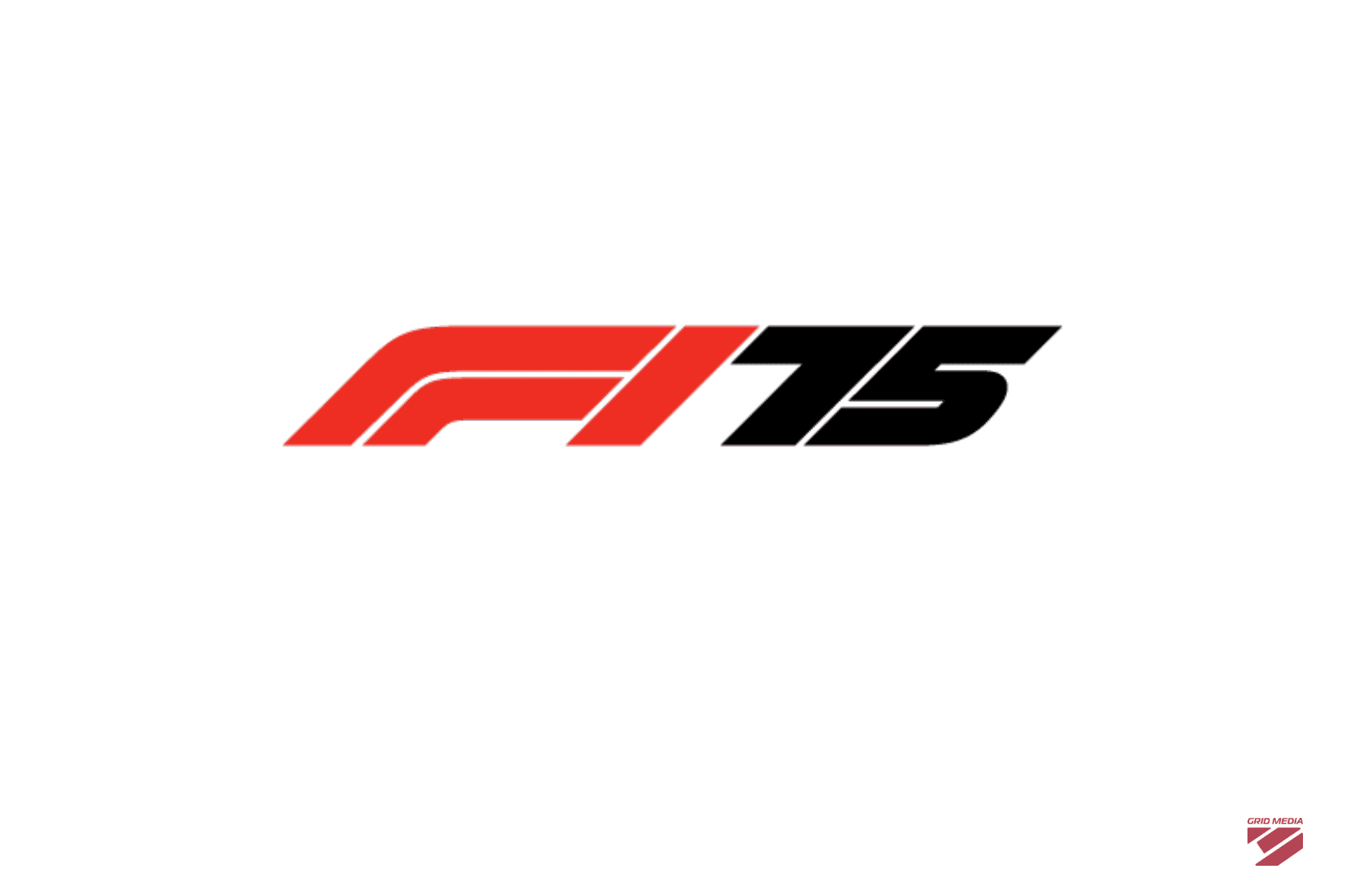
75th Anniversary (2025)
Looking ahead, the recently revealed 75th-anniversary logo continues this tradition, combining the number "75" with a design that celebrates the sport's journey from 1950 to 2025.
Looking to evolve your brand like F1? At Grid Media, we help motorsport teams, promoters and partners create identity systems designed for speed, storytelling, sponsorship impact, and seamless multi-platform presence. Every touchpoint is crafted to feel deliberate, professional, and memorable. Visit www.gridmedia.uk today to see how we can elevate your brand.