The 6 Hours of Spa: A Stress Test for Brand Resilience
Motorsport is a laboratory for extreme pressure. But within endurance racing, there is an important distinction between surviving attrition and surviving chaos.
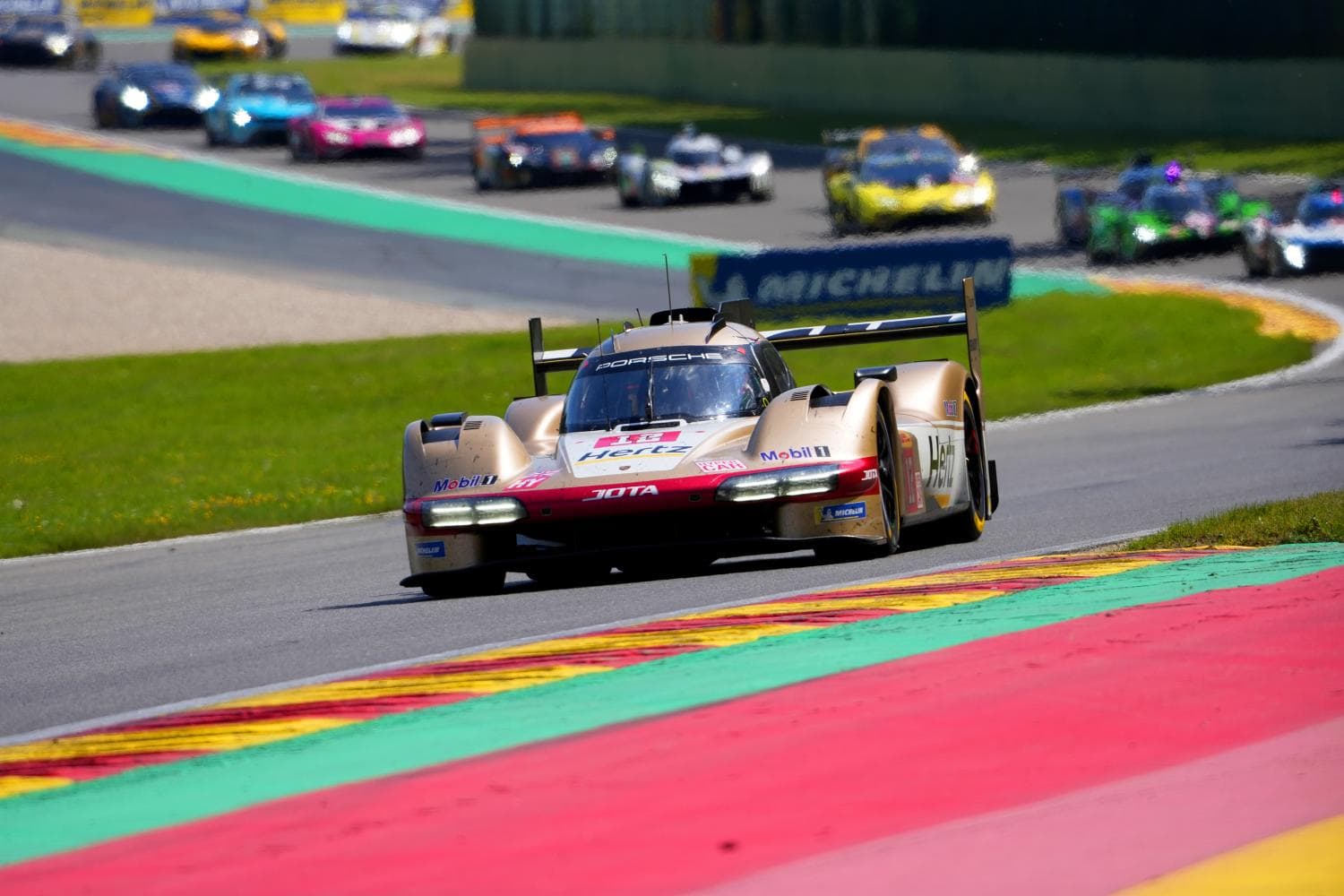
The 24 Hours of Le Mans, scheduled for 13 to 14 June this year, is the ultimate test of pure endurance. It is a war of mechanical and human survival. But the TotalEnergies 6 Hours of Spa-Francorchamps, running this week from 7 to 9 May, is something entirely different. It is the ultimate test of volatility. It is the final, brutal dress rehearsal before the main event, and it is explicitly designed to break your underlying systems.
Credit: FIA WEC
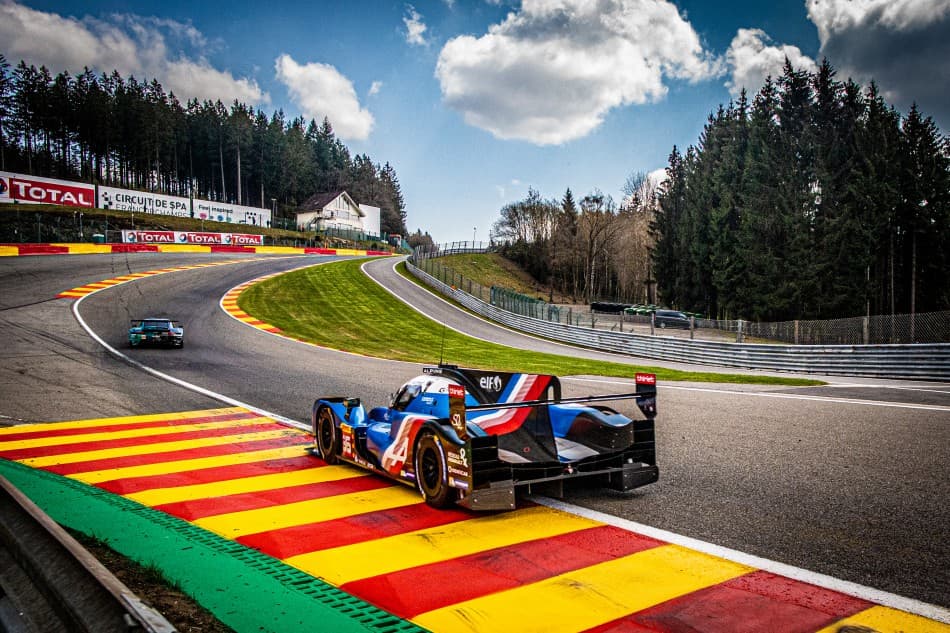
Situated deep in the Ardennes forest, the Circuit de Spa-Francorchamps operates as an unrelenting, six-hour sprint set inside an actively hostile microclimate. You can have brilliant sunshine at La Source and standing water at Blanchimont. The sheer scale of the track is intimidating, measuring exactly 7.004 kilometres with 19 corners. It features the brutal compression of the famous Eau Rouge and Raidillon complex, heading straight into the Kemmel straight. This topography forces teams into a state of continuous, high-speed crisis management.
For modern businesses, the parallels are impossible to ignore. Brands rarely fail because they lack a long-term roadmap. They fail because their systems cannot handle sudden, violent shifts in the environment.
The Architecture of Crisis Response
Many corporate strategies are built for clear air. They optimise for perfect market scenarios and maximum visibility. But what happens when the environment shifts?
A rigid brand panics. It abandons its core identity to survive the immediate corner. An elite endurance team operates differently. When the rain suddenly hits sector two, the pit wall does not rewrite the team's entire philosophy. They switch to the wet tyre, adjust the operating parameters, and rely on their underlying architecture to absorb the shock.
The schedule at Spa leaves no room for hesitation. Teams must execute flawlessly through two practice sessions on Thursday, a final practice and qualifying on Friday, before the race goes green at 13:00 CEST on Saturday. Strategy in this compressed timeframe is not about predicting the future with absolute certainty. It is about building the functional agility to react instantly when the forecast is entirely wrong.
Credit: FIA WEC
The Engineering of Compromise
Spa is an exercise in sacrifice. You simply cannot put a car on a track that is perfect everywhere. Trim the aero for absolute straight-line speed in sectors one and three, and you will haemorrhage lap time in the twisting middle sector. Bolt on the downforce to survive those corners, and you become a sitting duck on the Kemmel straight. The teams that win are the ones who engineer the best overall compromise. They build a setup that survives the entire 7-kilometre lap, rather than dominating a single corner.
Boardrooms suffer from the exact same friction. Too many brands chase a single isolated metric, usually short-term lead generation, and ignore the rest of the track. It works beautifully until the market moves and they realise they have zero underlying equity. Yes, you need the straight-line speed to capture immediate sales. But you also need the structural grip to survive a sudden PR crisis or an economic downturn. Build a business for just one set of perfect conditions, and the moment the terrain changes, you are in the wall.
Credit: FIA WEC
Data, Dialogue, and Discipline
Data is your only real defence against the Ardennes microclimate. Telemetry tells you what the chassis is doing; the radar tells you when the rain will hit. But all that information is completely useless if the pit wall cannot communicate. Listen to the radio traffic between an elite race engineer and a driver during a sudden downpour. It is a masterclass in crisis management. The dialogue is brutally concise, stripped of all emotion, and focused solely on the next action.
Most corporate communication fails spectacularly under this kind of pressure. When a crisis hits, businesses panic. They waffle. They issue vague, bloated statements, completely lose their tone of voice, and let external chaos dictate their public identity. Building brands engineered to survive that exact kind of pressure is key. Businesses must design communication systems that remain articulate and convincing, even when the market vision is not completely clear.
Human Factors and High-Speed Fatigue
A six-hour race occupies a dangerous middle ground. It is long enough to induce severe physical and mental fatigue, but short enough that drivers must push at a qualifying pace on every single lap. There is no time to coast. The cognitive strain on the pit wall is immense.
In the corporate world, sustained volatility creates the exact same burnout. When a market moves violently, leadership teams are forced into a prolonged state of high-alert decision-making. If the brand's core systems are weak, the human operators will eventually make a catastrophic error. Elite endurance teams survive because their underlying protocols are unbreakable; they trust the system, allowing the humans to focus entirely on execution.
The Final Stint
To win at Spa, you need more than a fast car. You need an organisation that understands how to manage sudden degradation, adapt to volatile conditions, and maintain absolute structural focus when everything else is chaotic. The dress rehearsal is where you find out if your systems are actually robust, or if they just look good in the garage.
TL;DR The 6 Hours of Spa is not simply an endurance race; it functions as a masterclass in managing extreme volatility. For brands, the lesson is clear: rigid strategies break under pressure. True resilience requires the structural agility to survive sudden chaos, the discipline to communicate clearly in a crisis, and the underlying architecture to protect your human operators from burnout. That is exactly what Grid Media builds.